
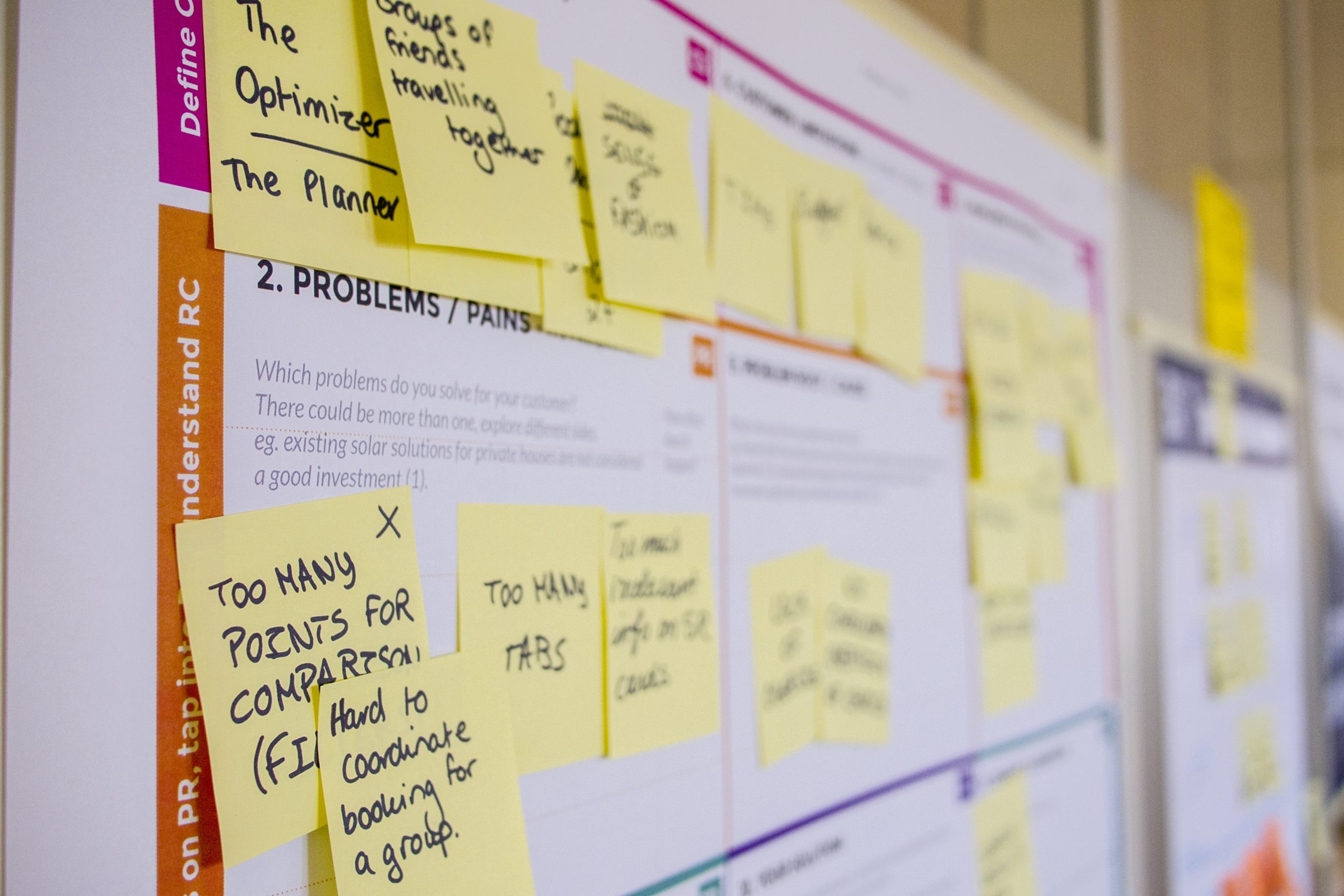
Consumers nowadays require a great User Experience (UX). We all know that if you fail as an organization to provide a great and tailored user experience, consumers will flock to other brands, solutions or providers. Brand loyalty is fueled by a great user experience but has been under pressure for quite some time now as mayor brands neglected to fulfill the rising and ever changing needs of their audience. To change this, brands should invest in Business Experience also known as BX.
Social Media, where consumers are able to express their voice about a brands performance, has put pressure on businesses to reinvent themselves around providing a great user experience. But this appears not be enough. Covid-19 has fueled the digital transformation of brands in order to provide a great digital experience. But consumer need more than just a great digital experience. They want brands to perform on all levels throughout the customer journey. The only way to do so is to organize your business around providing a great user experience, both digital and non-digital. But how do you keep track of the high and changing expectations of your target audience? Businesses need to set up a team that does continuous research in order to stay aligned with the needs expressed by their audience. In order to provide such great experience, you need to adapt your business around what is called Business Experience (BX) which goes beyond UX.
What is the definition of BX
BX or Business Experience is the ability to respond to customers’ new, often unmet and frequently changing needs and enable them to achieve their desired outcomes.
BX approach, breaking down the silo’s.
BX or Business Experience requires another approach from brands. UX has a mayor focus on channel optimization, CRM, Front-end development and product development if you do it right. BX is adding more to the flavor. Business Experience is also focussing on the modus operandi within the organization (operational strategy), employees happiness, data analysis, product and service design, business model innovation and more. It requires a focus on all elements of the customer journey and therefor a complete alignment of all departments. The word departments is an obstacle itself as it implies walled gardens where employees focus on a single aspect of the journey. BX requires a holistic and integrated approach.
In a seminar i was attending recently, a question was asked whether the digital transformation should be run from within IT or Marketing. This implies the walled gardens or silo thinking you find in many organizations. 7 years ago I gave a presentation at a national marketing event in the Netherland about breaking down the silo’s. I stated and still believe that silo’s are for farmers, not for brands. But how to get there? One mayor hurdle to take as an organization is breaking down leadership into a self steering organization with a single goal: BX. Giving up a role and leadership position is difficult but a necessity. There is also a language barrier between marketing and IT. Where a lot of marketing is done in a waterfall projectmanagement way of working is Agile/Scrum the way of working in IT. To cross these bridges you need an expert or agency that speaks all of the different languages.
Why evolve from UX to BX
Research by accenture has shown that brands who focus on BX outperform companies who don’t by 6% percent, a number that resonates well within board rooms. But that should not be the only case to work on BX. There are other reasons to evolve. As I described earlier in one of my blogpost we are at the end of the UX era and entering an era of creativity. The end of the UX era is near as sameness is starting to hurt brands. A colleague of mine, Bart te Riele, described sameness as cars who are designed using wind tunnels. It has lead to sameness within the car industry as many cars started to look the same and it became difficult to make a distinction between a Volkswagen and Skoda. This counts for many brands as they have invested in UX, not in creativty and BX. Conclusion: in order to win the hearts and minds and retain that same customer, you need to focus on the whole journey and invest in BX.


